

Amazing and Obscure Facts About Animal Hearing
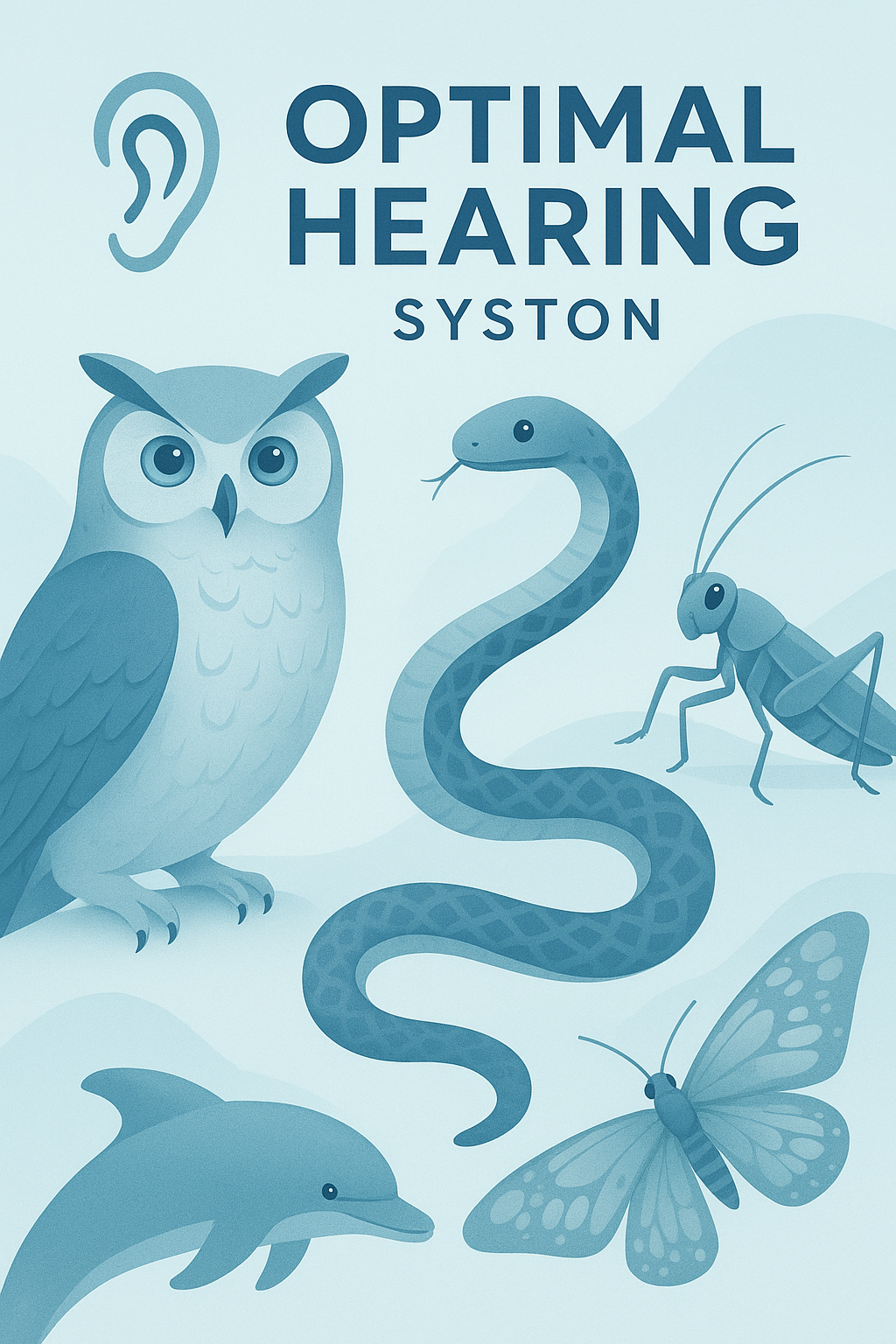
When we think of hearing, most of us picture human ears – but in the animal kingdom, hearing is far stranger and more fascinating than you might imagine. From snakes that “hear” through their jaws to insects that pick up sound with their legs, nature has found all sorts of clever ways to tune into the world. From the team at Optimal Hearing, here are some amazing and little-known facts about how different creatures listen to life around them.
Snakes: Hearing with Their Jaws
Snakes don’t have external ears like we do. Instead, they rely on an extraordinary system. Vibrations from the ground travel through a snake’s jawbone directly into its inner ear. This means that while a snake might not hear a bird singing above, it can sense the faintest rumble of footsteps or the movement of prey underground. In a way, snakes are experts in “feeling” sound rather than hearing it.
Insects: Ears in the Legs
Many insects don’t have ears on their heads at all. Grasshoppers and crickets, for example, have special hearing organs called “tympana” located on their legs or abdomen. These thin membranes pick up vibrations from the air, helping them detect the calls of other insects – or the wingbeats of a hungry bat hunting nearby. Imagine being able to hear through your knees!
Owls: Asymmetrical Ears for Super Hearing
Owls are famous for their silent flight and sharp eyesight, but their hearing is even more incredible. Many owls have ears that are slightly lopsided – one higher than the other. This uneven positioning lets them detect the exact location of a sound in three dimensions. A mouse rustling under leaves on a dark night has almost no chance of escaping an owl’s pinpoint hearing.
Elephants: Listening with Their Feet
Elephants have huge ears, but their hearing power doesn’t stop there. These giants can detect low-frequency sounds and ground vibrations through their feet. By pressing their trunks and feet to the ground, they “listen” to rumbles that can travel for miles. This helps elephants communicate with each other across great distances – a kind of secret underground messaging system.
Dolphins: Hearing Underwater
Dolphins don’t rely much on their outer ears. Instead, they use their lower jaws to pick up sound vibrations in water, which are then carried to the middle ear. Their brains process these signals with astonishing speed, allowing them to echolocate – a biological sonar system that helps them “see” with sound, even in the darkest ocean depths.
Moths: Out-hearing the Bats
Many moths have evolved to detect the ultrasonic calls of bats, their biggest predators. Some moths even have the most sensitive ears in the animal kingdom, tuned specifically to pick up the high-pitched squeaks of a hunting bat. Once they hear it, they can dive, roll, or even stop flying altogether to avoid becoming dinner.
The Wonder of Animal Ears
From snakes that sense vibrations through their jaws to insects with ears on their legs, the animal kingdom is full of extraordinary listening tricks. Next time you hear a bird singing or a bee buzzing, remember: there are creatures out there hearing the world in ways we can hardly imagine.