


4 Questions almost everyone asks about their hearing
If you've started asking people to repeat themselves, turning the television up a little louder, or finding conversations in busy places more difficult to follow, you're certainly not alone.
Many people notice changes in their hearing but aren't sure what to do next. Some assume it's simply part of getting older, while others worry they'll immediately be told they need hearing aids.
The truth is, the first step is simply understanding your hearing. Here are four of the questions we answer most often at Optimal Hearing.
1. Do I need regular hearing tests?
Yes. Like eyesight, your hearing can change gradually over time, often so slowly that you don't notice.
Having your hearing checked every couple of years, or sooner if you notice a change, allows any hearing loss to be identified early and monitored over time. Sometimes the cause is straightforward, such as a build-up of earwax, which can often be removed and significantly improve your hearing. On other occasions, a hearing assessment may identify signs that warrant further medical investigation.
2. Where can I get a hearing aid?
If a hearing aid is recommended, there are two main options in the UK. You can be referred through your GP to the NHS, where hearing aids are provided free of charge, or you can choose to visit a private hearing clinic.
Whichever route you choose, it's important to remember that achieving the best possible hearing is about much more than simply wearing a hearing aid. A detailed hearing assessment, understanding your lifestyle and communication needs, selecting the right hearing solution, programming it accurately and objectively verifying that it is performing as intended can all make a significant difference to the outcome.
At an independent clinic, there is often greater opportunity to understand your individual hearing needs, carefully select the most appropriate hearing solution and fine-tune it over time, helping you hear as clearly and comfortably as possible.
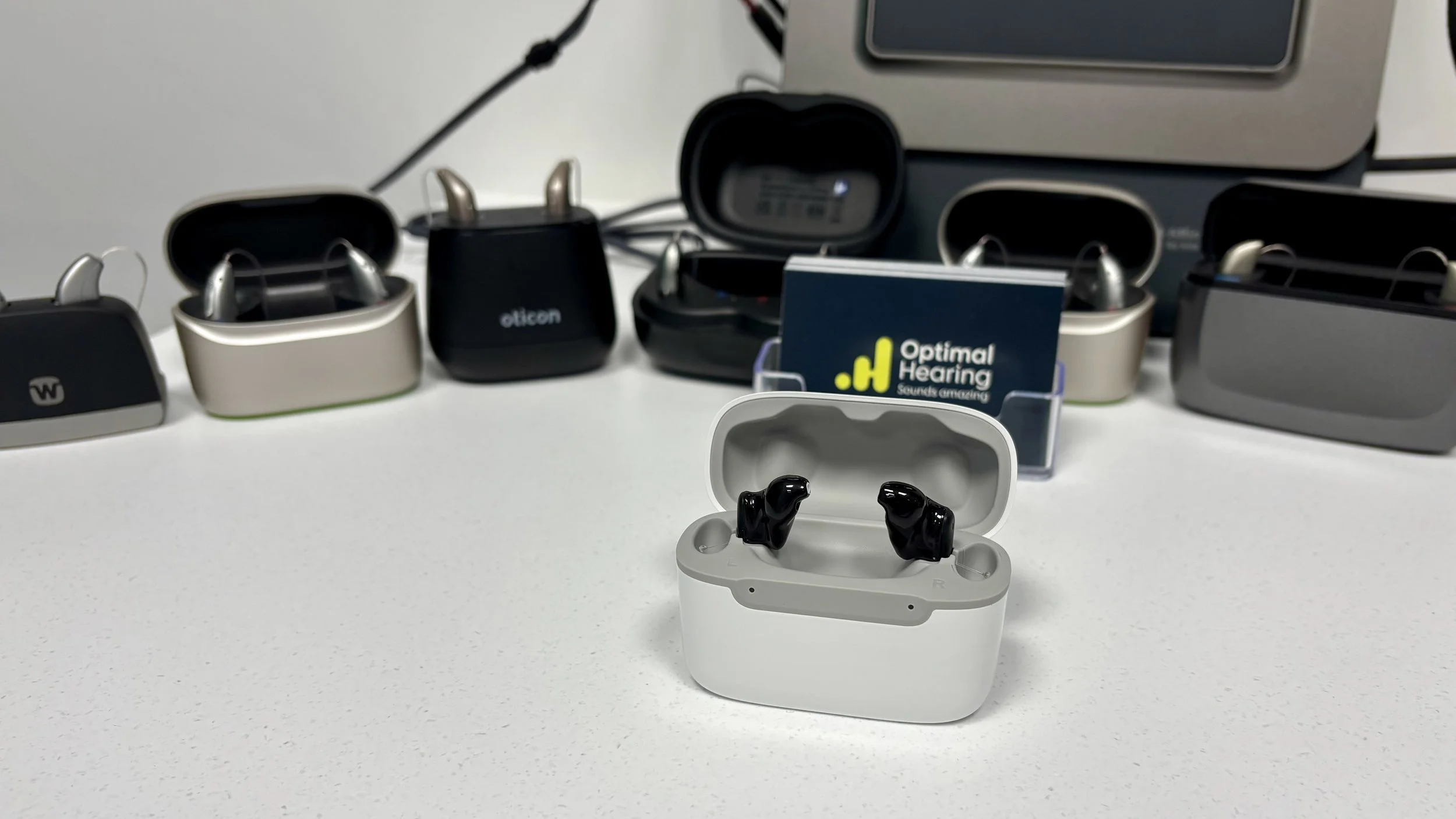
3. Do I need two hearing aids?
If hearing loss is present in both ears, the answer is often yes.
Your two ears and brain work together. Wearing two can improve your ability to understand speech, particularly in background noise, help you judge where sounds are coming from and reduce the effort your brain has to put into listening throughout the day. Your brain helps you to perceive more volume when your hearing is balanced and even between the two ears, due to something called binaural summation.
Every person is different, however, and recommendations should always be based on your hearing test results, medical history and lifestyle. A good audiologist will explain your options and help you make the decision that's right for you.
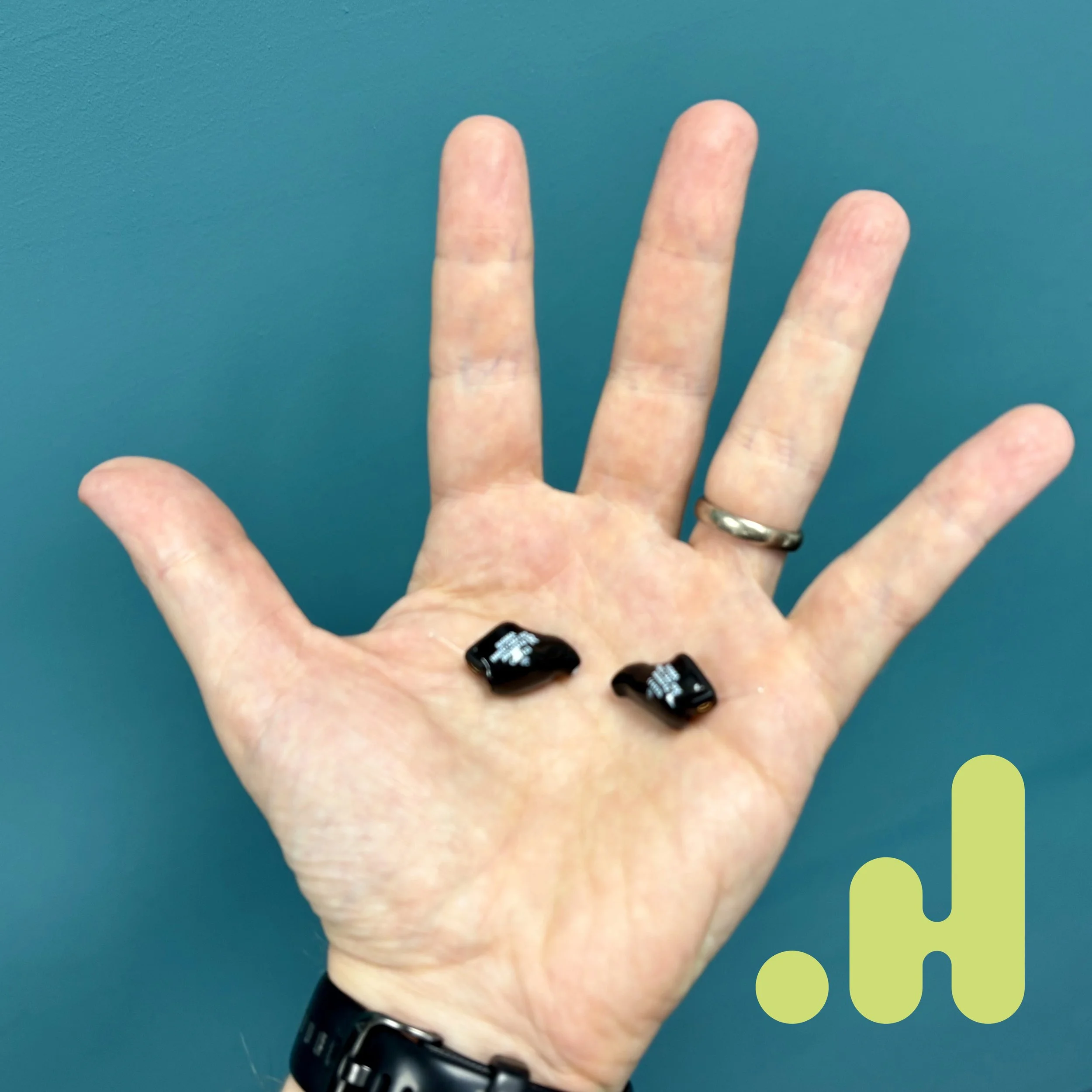
4. What is it like to wear a hearing aid?
This is probably the question people worry about most. Rather than focusing on the hearing aid itself, it's worth thinking about what you stand to gain—hearing conversations more clearly, enjoying the television without turning the volume up, feeling more confident in busy places and reconnecting with the people and moments that matter most.
Modern hearing aids are discreet, comfortable and packed with sophisticated technology. Most people are pleasantly surprised by how quickly they become part of everyday life.
During the first few weeks, some everyday sounds may seem different because your brain is hearing sounds it may not have heard clearly for some time. That's perfectly normal. With regular use, a little patience and the right support, your brain adapts remarkably well, and many people soon find themselves wondering how they managed without them. The earlier a hearing loss is corrected, the easier it is for your brain and you to adapt.
If you've started to wonder whether your hearing has changed, don't worry about hearing aids just yet. Whether your hearing is completely normal, affected by earwax or would benefit from hearing aids, the most important step is simply to have your hearing checked and take it from there. Understanding your hearing today could be the first step towards hearing better tomorrow.